Traveling to Vietnam as a UK citizen requires understanding various visa requirements, including tourist, business, and e-visas. This comprehensive guide covers application methods, essential documents, and practical tips to avoid common mistakes. Learn about the advantages of applying through Vietnamese embassies, online platforms for e-visas, and visa on arrival options. Understand the crucial documents you need to prepare, like a valid passport and travel itinerary. To streamline your application process, discover essential tips for timely submissions and tracking your application’s progress. Familiarize yourself with specific application types, costs, and regulations to ensure a smooth travel experience in Vietnam.
Understanding the Basics of Vietnam Visa Requirements for UK Citizens
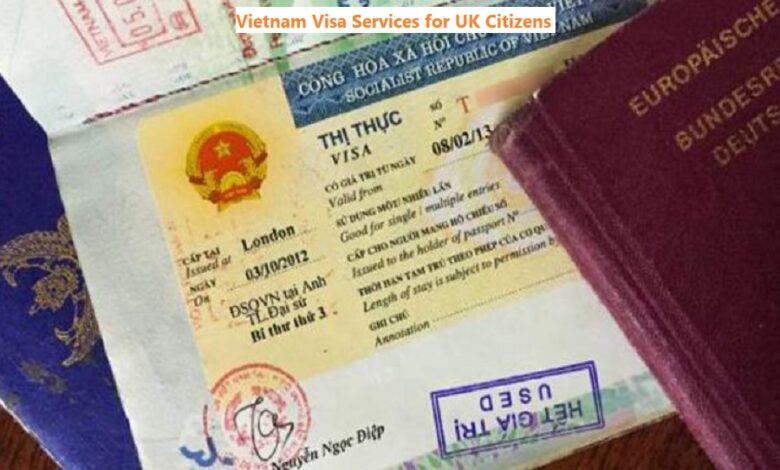
Traveling to Vietnam as a UK citizen necessitates an understanding of the various visa requirements involved. Primarily, there are three types of visas that UK travelers can apply for: tourist visas, business visas, and e-visas. Each category serves distinct purposes and has specific application processes. The tourist visa is primarily intended for leisure visits, allowing individuals to explore the rich culture and stunning landscapes of Vietnam. Business visas, on the other hand, are designed for those intending to conduct business activities or attend meetings and conferences within the country. E-visas provide a convenient online application process, allowing for shorter waiting times and streamlined entry.
Each visa type requires certain essential prerequisites. First and foremost, UK citizens must possess a passport that is valid for at least six months beyond the intended date of entry into Vietnam. Furthermore, the passport should have at least one blank page for visa vietnam stamping. Travelers are also required to complete specific application forms quite meticulously; any discrepancies can result in processing delays or visa rejections. In the case of e-visas, applicants should fill out the online form accurately and upload a recent passport-sized photograph along with their nationality details.
It is crucial to note that application fees also vary depending on the type of visa applied for and the length of stay. Tourist visas, for instance, may have different rates for single-entry or multiple-entry options, while business visas might involve additional charges based on the purpose and duration of stay. Familiarizing oneself with these specific requirements and adhering to all regulations is essential for a smooth travel experience. This knowledge will help UK citizens navigate the visa application process more effectively and ensure compliance with Vietnamese immigration policies.
Different Visa Application Methods Available for UK Citizens
UK citizens planning to travel to Vietnam have several methods available for applying for a visa, each with its own set of advantages and disadvantages. Understanding these can significantly simplify the visa acquisition process and ensure a smooth entry into Vietnam.
One option is applying through the Vietnamese embassy or consulate. This method often requires UK citizens to visit the embassy or send their application via post. The primary advantage of this approach is that applicants can receive personalized assistance and guidance directly from embassy staff. However, this method may have longer processing times and could involve additional travel costs or mailing fees. It is essential to check the local embassy’s website for the latest information regarding processing times and required documents.
Another increasingly popular method is the visa vietnam online application, commonly known as the e-visa. This option allows UK citizens to fill out an application form on the official Vietnamese e-visa website. The process is convenient, as it can be completed from anywhere with internet access. Typically, e-visas are processed within three business days, and applicants usually receive their visas via email, which they can print and carry while traveling. However, there are limitations regarding the e-visa, including the duration of stay and entry points permitted. It is advisable for applicants to confirm eligibility before proceeding.
Lastly, the visa on arrival option can be an advantageous choice for UK citizens who are traveling by air. This method requires an online pre-approval letter obtained before departing to Vietnam. Upon arrival at specific international airports, travelers can present this letter and obtain their visa. This approach is relatively quick; however, it is crucial that the pre-approval letter is legitimate to avoid issues upon arrival.
When choosing a visa application method, UK citizens should carefully consider their travel plans, the urgency of their travel, and their comfort level with each process to ensure a successful application experience.
Essential Documents Required for Vietnam Visa Applications
When applying for a Vietnam visa, UK citizens must prepare a series of essential documents that serve as proof of identity and purpose of travel. The most critical document is a valid passport, which must have at least six months of validity remaining from the date of entry into Vietnam, along with at least two blank pages for the visa stamp. It is imperative that the passport is in good condition, as damaged documents may lead to complications during the application process.
Next, applicants need to complete a visa application form, which can typically be found online or at the nearest Vietnamese consulate or embassy. This form requires personal information such as name, nationality, and travel details. Additionally, UK citizens are required to provide recent passport-sized photographs that meet specific criteria regarding dimensions and background color. Ensuring these photos adhere to the guidelines is essential for avoiding delays in processing.
Furthermore, a detailed travel itinerary is often necessary, which includes flight bookings, as well as dates of arrival and departure. Accommodation proof, such as hotel reservations or an invitation letter from a host in Vietnam, is also required to assure immigration authorities of your planned stay. Alongside these documents, applicants must present financial statements like bank statements or pay slips to demonstrate sufficient funds for the duration of their stay.
Additional documentation may vary depending on the type of visa being sought. For instance, business visa applicants might need to submit an invitation letter from a Vietnamese company. Therefore, it is crucial to check the specific requirements aligned with the visa type. By preparing all necessary paperwork efficiently, UK citizens can expedite their visa application process and ensure a smoother entry into Vietnam.
See also this article: Efficient Vietnam visa application service for South Korean citizens
Practical Tips and Common Mistakes to Avoid When Applying for a Vietnam Visa
Navigating the Vietnam visa application process can be overwhelming for many UK citizens. To facilitate a seamless experience, it is essential to be aware of common pitfalls and follow practical advice throughout the application. One of the most prevalent mistakes is failing to double-check documentation requirements. Ensure that all necessary documents, such as your passport, recent photographs, and any supporting paperwork, are complete and accurate prior to submission.
Another crucial aspect is timeliness. It is advisable to apply for the visa well in advance of your intended travel date—ideally at least two to three weeks prior—to account for any unforeseen delays. Moreover, understanding the specific type of visa required for your purpose of visit is vital, whether it be for tourism, business, or study. Choosing the correct visa type can significantly impact processing time and approval chances.
Expediting your application can also play a crucial role in ensuring timely travel. Utilizing express services offered by various agencies can reduce waiting times, while also providing tracking options that allow you to monitor the application’s progress. In the case of an application denial, UK citizens should read the notification carefully to understand the reasons for the rejection; often, the issues can be resolved by correcting the errors cited in the refusal notice. If appropriate, applicants can lodge an appeal or submit a new application with the corrected documentation.
Lastly, remain vigilant by keeping an eye on deadlines related to your visa status, especially when involving extensions or renewals while in Vietnam. Being proactive in checking the status of your visa can prevent last-minute complications, ensuring a smoother experience during your travels in Vietnam.
Liên hệ đơn vị
VisaVietnamOnline
- Address: 1728 Big Canyon Trail, Carrollton, TX 75007, US
- Phone: +1(972)-666-0676
- WhatsApp:(+84)968 18 77 18
- Email: [email protected]
- Website: visavietnamonline.org