
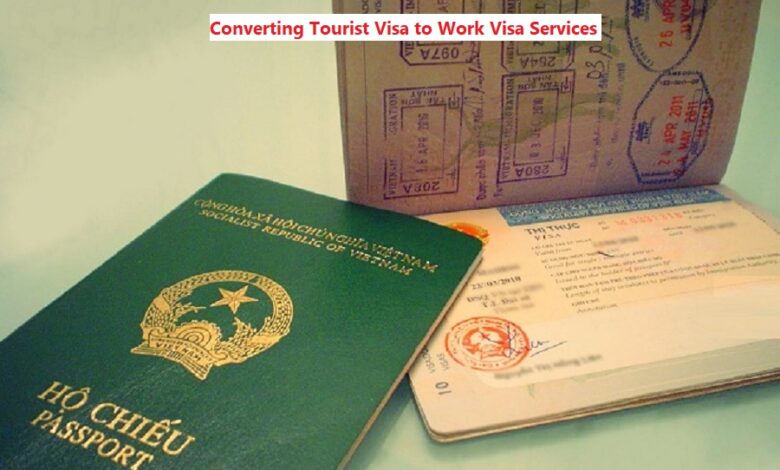
Understanding the transition from a tourist visa to a work visa is essential for international travelers. This guide explores the various types of visas, reasons for conversion, and the application process involved. From discovering job opportunities to seeking educational pathways, many people find themselves wanting to change their visa status. The article addresses important aspects like eligibility requirements, necessary documentation, and potential pitfalls in the application process. Additionally, it highlights the benefits of seeking professional assistance to navigate the complexities of immigration law. Whether you are considering an internship, joining family, or looking for employment, this comprehensive guide will help you understand the necessary steps to legally work in a foreign country.
Understanding Visa Types
When traveling internationally, it is crucial to grasp the various types of visas available, especially when considering a transition from a tourist visa to a work visa. A tourist visa, often referred to as a visitor visa, is a temporary visa that allows individuals to enter a foreign country for leisure, sightseeing, or medical treatment but does not permit paid employment. Typically issued for a brief period, tourist visas are designed to facilitate travelers in enjoying vacations or visiting friends and family while ensuring they adhere to the regulations specific to their host country. The restrictions of a tourist visa generally include prohibitions against work and requirements to maintain a certain level of financial means to support oneself during the stay.
On the other hand, a work visa vietnam, which can also be known as an employment visa, enables foreign nationals to engage in professional activities in the host country. There are several categories of work visas, each aimed at different sectors and skill levels, including but not limited to skilled worker visas, temporary worker visas, and intra-company transferee visas. The application processes, requirements, and quotas for these visas vary widely depending on the country, the specific visa type, and an applicant’s qualifications. For instance, skilled worker visas typically require proof of education and work experience relevant to the job offered, while temporary worker visas may focus more on specific labor shortages within certain industries.
Understanding the distinct features of tourist and work visas is imperative for any traveler contemplating a shift from leisure to employment abroad. Each visa type has its own rules and procedures, necessitating comprehensive knowledge of the eligibility criteria, application processes, and potential restrictions. Familiarizing oneself with these details will not only ease the transition but also safeguard against legal complications during the move from tourism to professional engagement.
Reasons for Converting a Tourist Visa to a Work Visa
Many individuals who arrive in a foreign country on a tourist visa often find themselves contemplating the conversion to a work visa for various compelling reasons. One prominent scenario involves the discovery of job opportunities during their stay. Travelers may encounter networking events, job fairs, or spontaneous employment offers that pique their interest, thus prompting the desire to transition to a work visa to legally engage in these opportunities.
Additionally, the pursuit of academic engagements can be another significant motivator. Tourists may decide to enroll in educational programs or training courses that offer pathways to work opportunities post-study. The academic experience can serve dual purposes—enhancing one’s skill set and providing a direct route to gaining a work visa, especially if the program includes career placement support.
Internships also provide a viable reason for transitioning from a tourist visa vietnam online to a work visa. Many tourists apply for internships that allow them to gain practical experience and insights into the local job market. These positions often lead to offers of full-time employment, necessitating a change in visa status to comply with local immigration laws.
Family dynamics can further influence this decision. For instance, individuals with immediate family members residing in the host country may seek a work visa to be closer to their relatives or contribute to the family business. This personal connection not only facilitates emotional well-being but also opens avenues for possible long-term residency options.
Ultimately, converting from a tourist to a work visa confers legal working rights, a significant advantage that facilitates a more stable status in the host country. The transition can serve as a catalytic step towards achieving long-term residency and integrating fully into the local community.
The Application Process for Converting Visas
Converting a tourist visa to a work visa is a multi-step process that requires careful planning and adherence to immigration regulations. To initiate this transition, applicants must first determine the eligibility requirements for the desired work visa category. Various types of work visas exist, including H-1B and L-1 visas in the United States, each with distinct prerequisites pertaining to skills, job offers, and sponsorship.
The first step in the application process typically involves gathering necessary documentation. This generally includes, but is not limited to, a valid passport, an employment offer from a qualifying employer, and relevant educational qualifications or experience certificates. It is essential to ensure that all documents are up-to-date and accurate. Additionally, applicants should be prepared to fill out specific forms required by the immigration authority, which may differ based on the country involved.
Once all documentation is prepared, the subsequent step is to submit the application. Depending on the jurisdiction, this may be done through an online portal or via physical mail. The time frame for processing these visa applications can vary considerably; it may range from a few weeks to several months. Therefore, it is prudent for applicants to plan accordingly and maintain legal status during this period. It is advisable to refrain from any activities that may violate the terms of the tourist visa, as this could jeopardize the application.
Moreover, applicants should consider potential pitfalls, such as incomplete applications or inadequate documentation. Thoroughly reviewing all submission requirements and seeking advice from immigration professionals can help in avoiding common mistakes. By following the outlined steps carefully, individuals can significantly increase their chances of a successful visa conversion.
See also this article: Vietnam Visa Services for UK Citizens
Professional Assistance: When to Seek Help
When considering a transition from a tourist visa to a work visa, navigating the complexities of immigration laws can be daunting. Each country has its unique set of regulations and procedures, making it essential to be well-informed before proceeding. This is where seeking professional assistance becomes invaluable. Hiring an immigration lawyer or a visa consultancy can help clarify these complexities, ensuring that individuals are on the right path to converting their visa status.
One significant advantage of engaging a professional is their understanding of the immigration landscape. Immigration experts stay updated on changes in legislation and regulations, which could significantly impact one’s ability to secure a work visa. They can provide tailored advice based on an individual’s specific circumstances, helping to avoid common pitfalls that many first-time applicants might encounter.
Furthermore, the process of documentation is often intricate and requires a meticulous approach. Visa applications typically involve multiple documents, including proof of employment, educational qualifications, and financial capability. Professionals can offer guidance on what is needed and help compile these documents correctly, thereby increasing the chances of a successful application. Additionally, having an expert review the application can mitigate the risk of errors that could lead to delays or denials.
While hiring professional assistance does come with associated costs, the investment can be worthwhile considering the potential implications of a visa denial. The peace of mind that comes with knowing your case is handled by someone well-versed in immigration law can alleviate much of the stress involved in the process. Ultimately, understanding when to seek help is crucial for anyone looking to change their visa status, ensuring that they take the necessary steps towards a successful transition to professional life in a new country.
Liên hệ đơn vị
VisaVietnamOnline
- Address: 1728 Big Canyon Trail, Carrollton, TX 75007, US
- Phone: +1(972)-666-0676
- WhatsApp:(+84)968 18 77 18
- Email: [email protected]
- Website: visavietnamonline.org